
PRODUCTS / MESH VALVES
Mesh Valves
RONDER mesh valves include WD, WG, WJ and WP types.
Valve models and selection conditions
Scroll across for all selection details →
| Model / type | Speed (rpm) | Molecular weight Mw | Duty and selection focus | Construction and components |
|---|---|---|---|---|
| WD Mesh | < 1000 | > 5 | Lubricated or nonlubricated service; review deposits | Wide flow slots; larger lift |
| WG Mesh | < 1800 | — | Lubricated service; oil-film sticking | Outer-circumference springs; treated flow passages |
| WJ Mesh | < 1000 | — | Process compressors; lubricated or nonlubricated configurations | Metal plates; multiple slots; dual cushioning |
| WP Mesh | < 1000 | — | Installation space and clearance volume | Leaf springs; guard without spring pockets |
Send each stage’s suction and discharge pressures and temperatures, speed, gas composition and drawings to determine valve differential pressure, materials, lift, springs and installation dimensions. Calculate mixture Mw from the actual composition.
WD Wide-Slot Valve
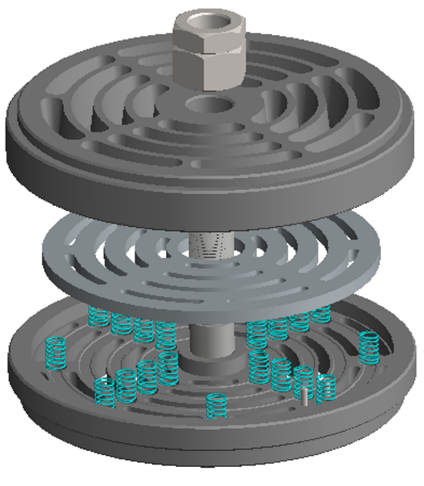
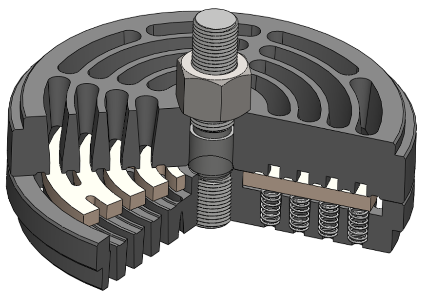
WD has wide flow slots, larger lift and a relatively simple mesh-valve construction. The wide slots reduce the likelihood of blockage, while the larger lift increases the flow area between the plate and seat. Lift and springs jointly control valve-plate motion.
Features and Selection
- Recommended for Mw > 5 and speeds below 1000 rpm, with configurations for lubricated or nonlubricated service. For gases prone to deposits, consider particle characteristics, deposit severity and access for cleaning.
WG Valve with Outer Springs
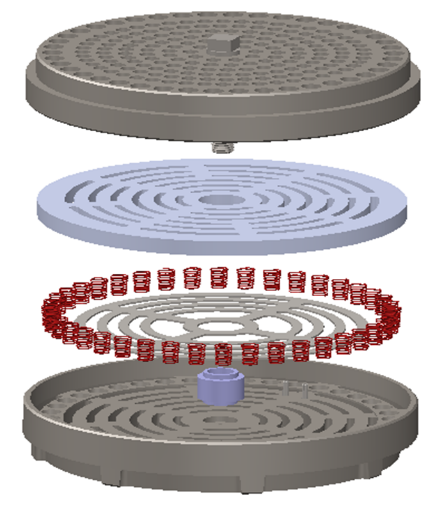
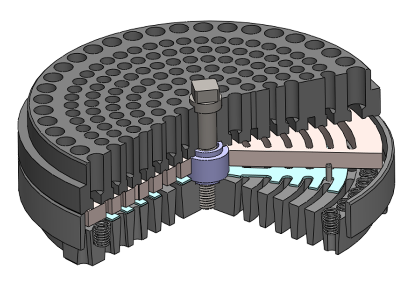
WG places the springs around the outermost circumference of the valve and uses fouling-resistant treatment in the flow passages. This design reduces the effects of oil-film adhesion on valve motion and limits deposits in the passages.
Features and Selection
- Resistant to liquid slugging
- Heavy-duty springs with low stress and long service life
- Recommended for lubricated service at speeds below 1800 rpm, particularly where oil films cause valve plates to stick. If the oil supply is high or oil accumulates, select the configuration using the actual oil feed rate and check lubrication and gas-liquid separation.
WJ Metal-Plate Valve
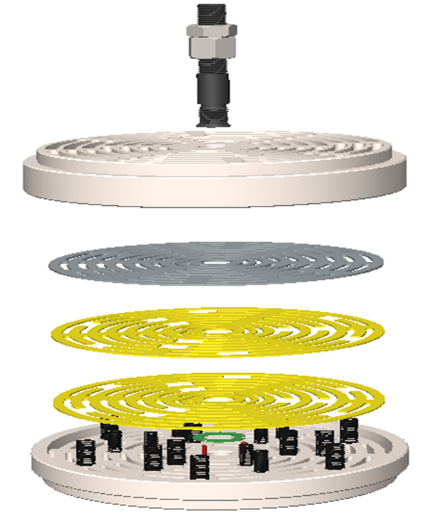
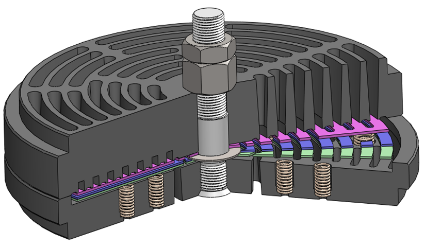
WJ uses metal valve plates, multiple flow slots and dual cushioning. Strong cushioning springs act during opening and closing to reduce contact impact and resist oil sticking.
Features and Selection
- Recommended for process compressors using metal valve plates at speeds below 1000 rpm. Lubricated and nonlubricated service use different configurations. Select plate materials for gas corrosiveness, temperature and cyclic loading.
WP Leaf-Spring Valve
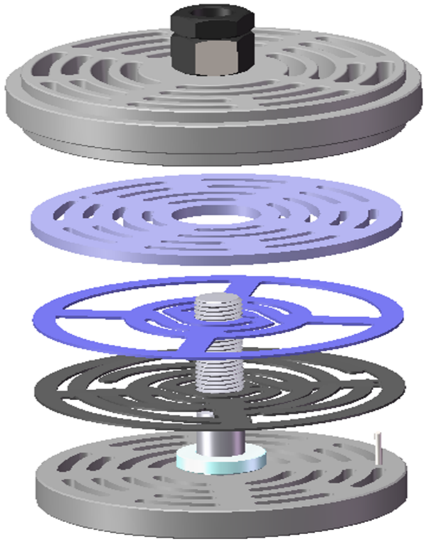
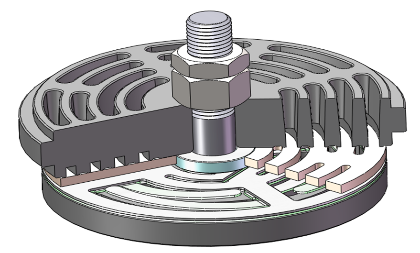
WP uses multiple flow slots, combinations of leaf springs and a valve guard without spring pockets. The leaf springs provide nonlinear stiffness and good opening and closing characteristics for varying operating conditions. Combining multiple leaves reduces spring stress. The pocket-free design helps reduce guard thickness and the associated clearance volume.
Features and Selection
- Recommended for compressors operating below 1000 rpm where installation space and valve clearance volume matter. Configurations are available for lubricated or nonlubricated service. For variable-load or variable-speed operation, assess valve-plate motion over the actual operating range.