
Piston ring redesign proposal for uneven wear and short service intervals
To address piston rings requiring replacement after about two months in the third and fourth stages of a WS2-4 reciprocating compressor, RONDER focused its redesign proposal on the severely worn low-pressure-side interlocking rings. The proposal combines a wear-resistant material with changes to the ring joints and pressure-balancing features. It aims to reduce ring-to-bore contact load and extend the service interval while meeting the process sealing requirements.
The compressor was operated by a large petrochemical joint venture in Tianjin, China, producing ethylene and downstream chemicals. Inspection found some low-pressure-side interlocking rings worn almost through on one side, while the high-pressure-side angle-cut rings showed normal wear. This article describes the inspection findings and redesign proposal.
Inspection findings
The compressor has a vertical arrangement, with stages one and three in one column and stages two and four in the other. The original ring sets in stages three and four used conventional angle-cut rings on the high-pressure side and interlocking rings on the low-pressure side.
| Position and design | Inspection finding |
|---|---|
| Conventional angle-cut rings, high-pressure side | Normal wear |
| Interlocking rings, low-pressure side | Severe uneven wear; some rings worn almost through on one side |
The same pattern was found in both stages. The redesign addressed the sealing arrangement and loading of the low-pressure-side interlocking rings.
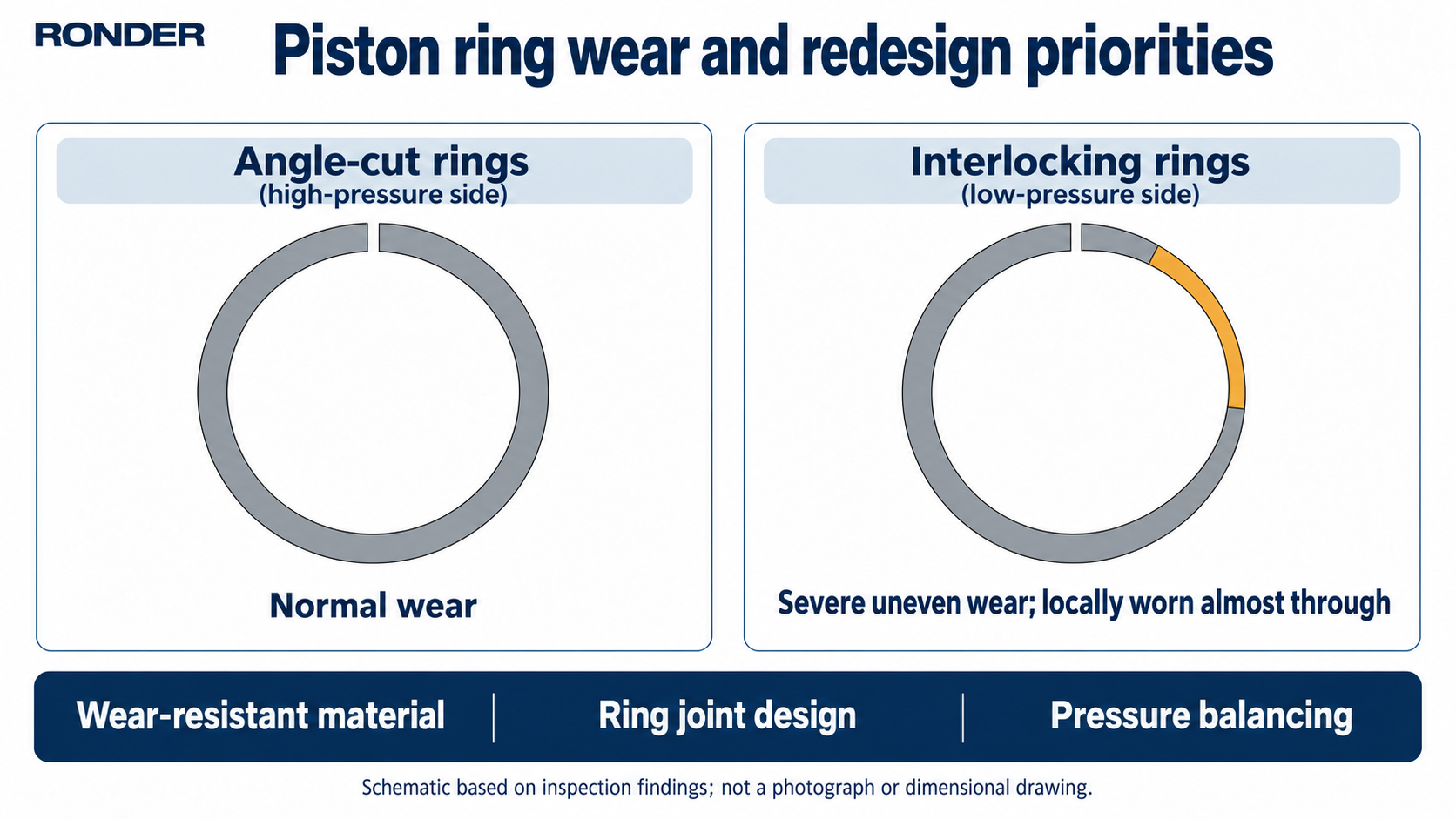
Figure 1. Schematic of the wear difference between high-pressure-side angle-cut rings and low-pressure-side interlocking rings.
Sealing and contact load
Piston rings restrict gas leakage through contact between the ring outside diameter and the cylinder bore, and between the ring face and the side of the piston ring groove. Gas can still pass through the ring joint and running clearances. Multiple rings restrict this flow in successive stages.
During operation, gas pressure loads each ring against the cylinder bore. The pressure distribution behind the ring and along its outside diameter affects contact load, friction and wear. RONDER allows a controlled increase in initial leakage within the process limits to reduce mean contact pressure.
RONDER uses inspection to locate wear, loading analysis to set the design direction, and checks the cylinder, piston and ring-groove condition at the same time.
Proposed material and design changes
1. Use a wear-resistant material
The redesign uses a wear-resistant material developed by RONDER, based on filled polytetrafluoroethylene with graphite and carbon fiber. It combines this material with structural measures to reduce contact load.
2. Retain the first two angle-cut rings and use overlap joints farther along the ring set
The redesign proposal retains the angle-cut joints on the first two rings and changes the interlocking rings farther along the ring set to single rings with overlap joints. The overlap creates an indirect leakage path intended to limit the effect of an increasing joint gap as radial wear progresses.
RONDER checks leakage with new rings and after wear, then matches the overlap length and fit to the piston ring groove and operating conditions.
3. Add pressure-balancing grooves on the ring outside diameter
Grooves on the ring outside diameter are connected to the bottom of the piston ring groove by small holes. Gas behind the ring flows through these restrictions into the outer grooves, changing the pressure distribution along the ring outside diameter. The purpose is to reduce ring-to-bore contact load.
RONDER determined the final hole count through testing, starting with fewer holes and increasing the count while keeping leakage within the process limit.
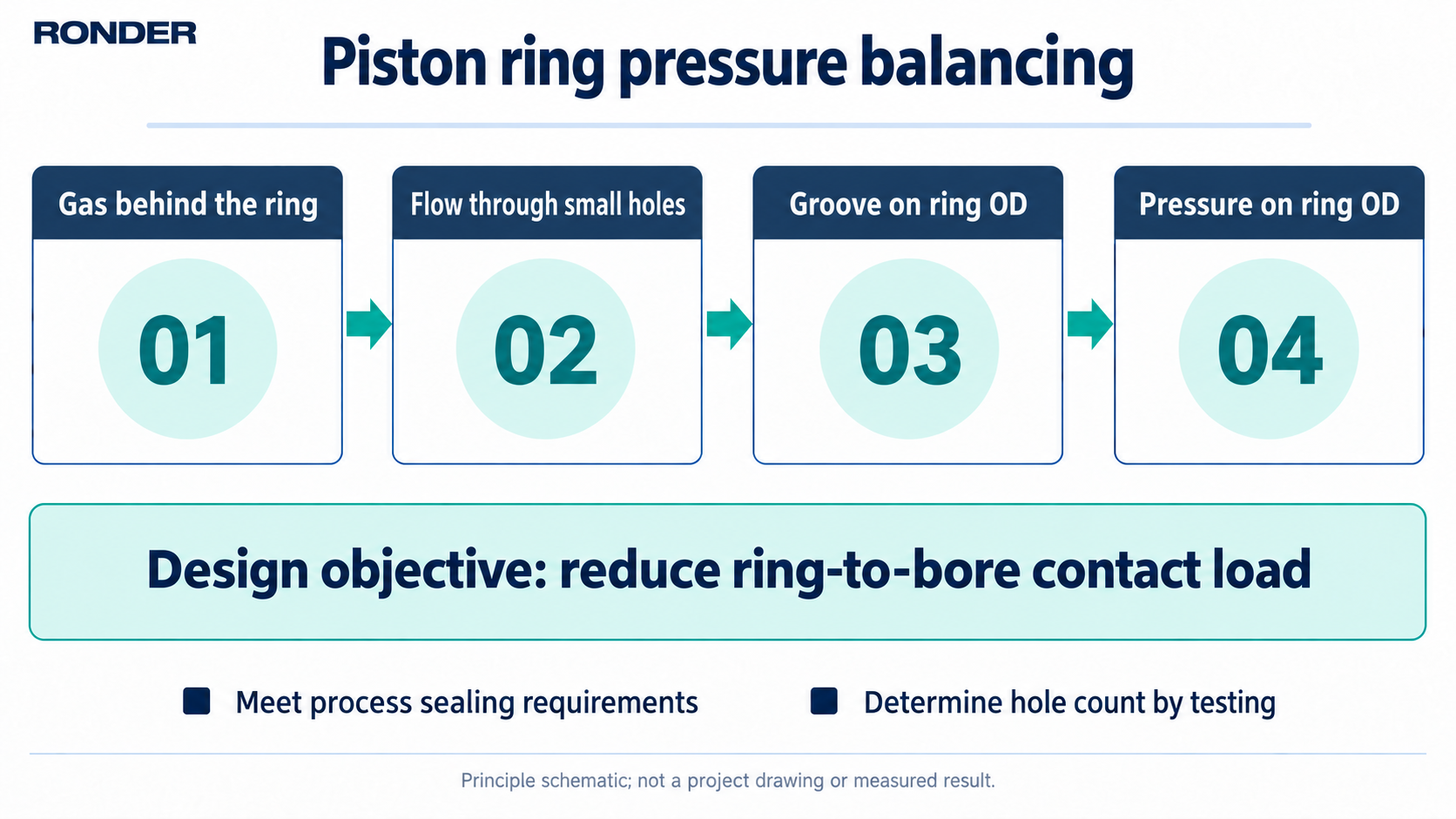
Figure 2. Schematic of the pressure-balancing groove principle.
RONDER’s redesign checks
| Item | What to check |
|---|---|
| Material and operating conditions | Suitability for the gas, temperature and frictional conditions |
| Joint and pressure-balancing features | Leakage when new and sealing performance after wear, against the process requirements |
| Ring arrangement | Position, function and wear distribution of each ring |
| Service records | Operating time, changes in duty and replacement reasons, compared with inspection findings |
RONDER selects the material, joint design and pressure-balancing details for the specific compressor stage and ring arrangement.
Discuss a piston ring redesign with RONDER
For rapid wear, uneven wear or frequent ring replacement, send the compressor model and a description of the problem to sales@ronder-valve.com, together with:
- Compressor model, piston arrangement and affected stage;
- Gas composition, suction and discharge pressures and temperatures, speed and lubrication arrangement;
- Current ring material, joint design, ring arrangement and service interval;
- Inspection photographs labeled by installation position, plus inspection records for the cylinder, piston and ring grooves.
Related product
See piston rings and rider bands in a reciprocating compressor
Related technical cases
View all technical resources and cases